
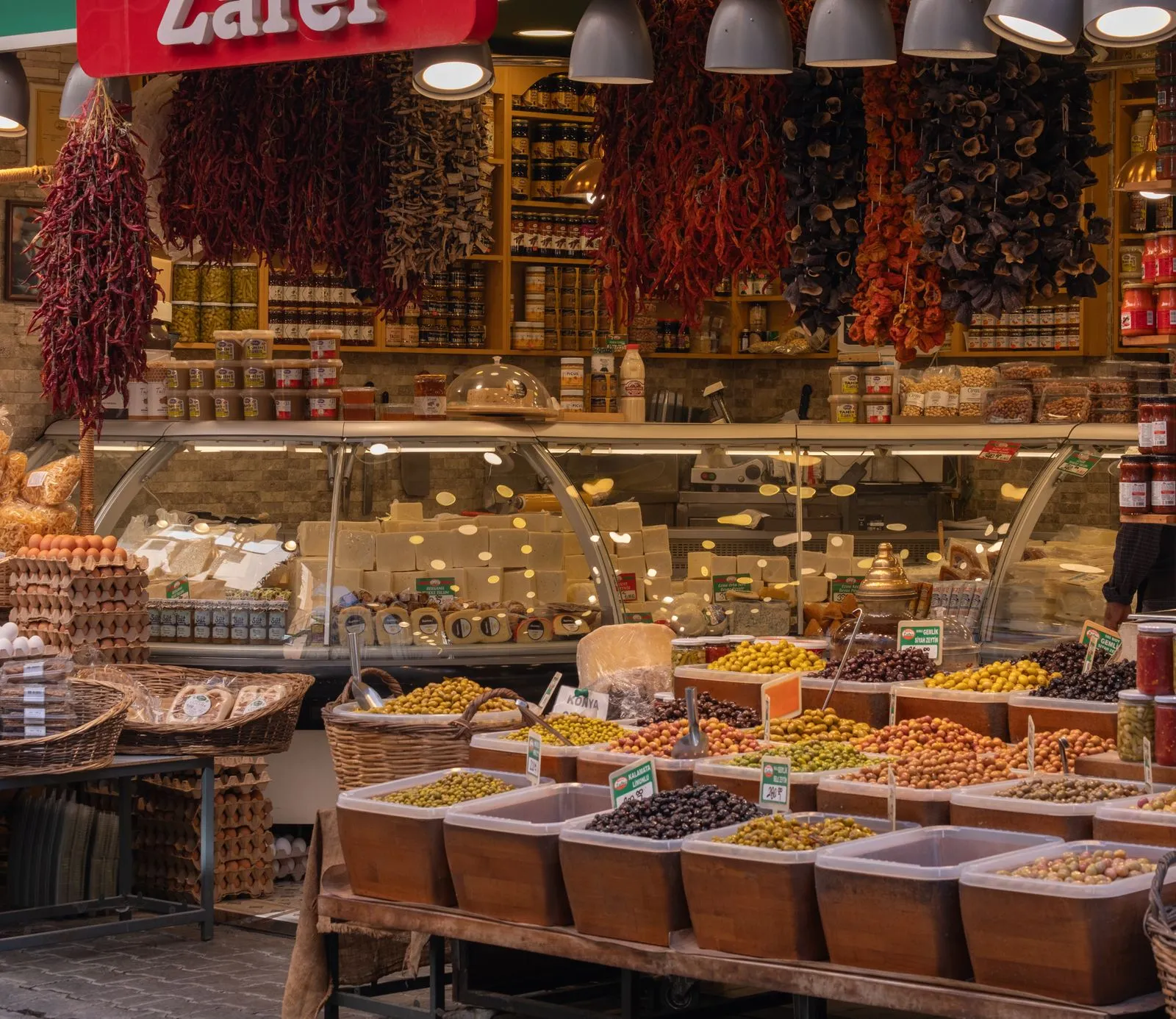
A good olive platter gives guests a few distinct flavors without making the preparation complicated. Start with olives that differ in color, size, texture, or seasoning, then add a handful of foods that complement their briny taste. The goal is variety and easy sharing, not a crowded display. With a little planning and a few small bowls, you can put together an inviting platter for a relaxed lunch, an appetizer, or a gathering with friends.
Choose Olives With Contrast
Select two or three kinds of olives so each one brings something different. Pair firm green olives with softer, richer black olives, or combine mild olives with a more intensely seasoned variety. If you are buying from an olive counter, ask about saltiness, texture, and any added herbs or citrus. A quick taste can help you avoid choosing several varieties that all have the same flavor.
Consider pits and seasonings when choosing. Pitted olives are convenient for guests, while whole olives can retain a firmer texture. If you serve olives with pits, provide a small dish for them and let guests know. Check labels for ingredients such as garlic, chili, or anchovy, especially if you are serving people with dietary preferences or allergies.
Add Simple Accompaniments
Choose accompaniments that balance the olives rather than compete with them. Crusty bread, crackers, or toasted flatbread provide a mild base. Add one or two fresh items, such as cucumber, cherry tomatoes, or sliced sweet pepper, for a crisp contrast. A small portion of mild cheese can round out the platter; keep stronger cheeses separate so their flavors do not overwhelm the olives.
Use a few extras for variety, not a long shopping list. Roasted nuts, dried figs, or thin slices of citrus can work well beside olives. Keep wet or oily foods in their own bowls, and serve dips separately with their own spoons. If you are accommodating different diets, put out clearly separate options and avoid placing shared serving utensils across dishes.
Arrange It For Sharing
Place olives in small bowls to contain their brine and make serving easier. Spread the bowls across a board or platter, then fill the spaces with bread, vegetables, cheese, and other accompaniments. Group similar items together so guests can see what is available. Leave a little open space around each bowl for spoons, picks, or guests’ hands.
Make the platter comfortable to serve. Add a spoon or small fork to each bowl of olives, plus cocktail picks if they suit the occasion. Set out a dish for pits and napkins nearby. For a larger group, prepare a second platter instead of piling everything onto one board; smaller portions are easier to reach and can be refreshed as needed.
Serve At Its Best
Take olives out of the refrigerator shortly before serving so their flavors are easier to notice. Follow the storage directions on the packaging, and keep perishable accompaniments chilled until you are ready to arrange the platter. If the gathering will last, put out a modest amount first and replenish it from the refrigerator rather than leaving the full supply at room temperature.
Taste the finished selection before guests arrive. If the platter feels too salty or rich, add another mild bread or fresh vegetable. If the flavors seem too similar, swap in an olive with a different texture or seasoning. These small adjustments help the platter feel balanced while keeping the preparation simple.
A shareable olive platter comes together with a few contrasting olives, uncomplicated accompaniments, and thoughtful serving details. Keep portions easy to reach, label anything with a less familiar ingredient, and adjust the mix to suit your guests. For your next gathering, choose a couple of olives you enjoy and build the rest around them.